When the Safety Net Goes Silent: Supporting Students During the SNAP Pause

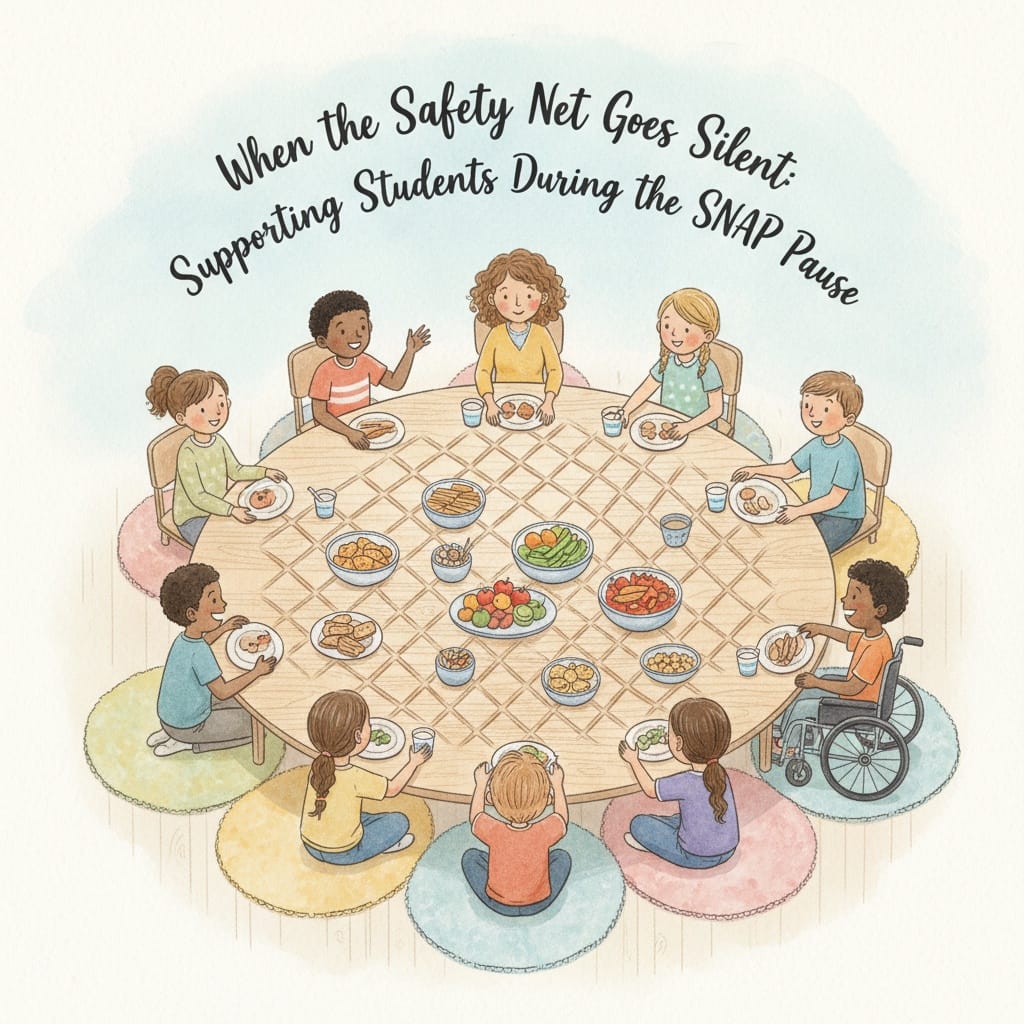
When a government shutdown hits, the impact doesn’t wait at the Capitol: it lands in classrooms first.
For many students, SNAP is not “extra help.” It is how they eat.
When those benefits pause, even briefly, families are forced into emergency mode overnight. Groceries stretch thinner, meals get smaller, and students return to school carrying a kind of stress that doesn’t show up in Skyward, but shows up everywhere else.
This moment isn’t about who qualifies.
It’s about families who normally depend on SNAP suddenly losing access through no fault of their own.
What This Looks Like for Students
Food insecurity during a shutdown shows up quietly:
| Classroom Signal | What’s Really Happening |
|---|---|
| Big Monday hunger | Weekend meals were low or skipped |
| Asking for seconds | There wasn’t enough at home |
| More “I don’t feel good” visits | Hunger masked as illness |
| Short tempers or shutdown behavior | A body trying to regulate without fuel |
| Unusual fatigue | Low nutrition, low energy |
Kids rarely say,
“My family’s benefits were paused.”
They say,
“I’m just not hungry.”
or
“I’ll eat later.”
or
nothing at all.
How Teachers Can Respond Without Spotlighting Struggle
This is a moment for access with dignity.
1. Make food normal, not special
Have a predictable spot for snacks so students don’t have to ask.
“This is our fuel table, if your body needs something to focus, take what you need.”
No qualifiers.
No explanations.
2. Offer quiet support, not public charity
Kids protect their pride.
Your job is to protect their privacy.
A small drawer labeled “Grab & Go” is safer than “Who needs food?”
3. Communicate gently with families
Some families may assume school can’t help, especially if they’re embarrassed or overwhelmed.
A doorway like this helps:
“During the shutdown, we have additional food supports available for students. If your family could use a little extra right now, just let me know — there is no paperwork and no questions asked.”
Visionary Check
Write this reminder somewhere you’ll see it on hard days:
“I can’t reopen the government, but I can make sure no child sits through a lesson hungry.”
You don’t control the shutdown, but you do control the environment students land in while they wait it out.
Hunger Was Here Before the Headlines
The SNAP pause hits some groups faster:
- Single-parent households
- Families caring for multiple children
- Kinship care or informal guardians
- Parents working hourly or seasonal jobs
- Families already one car repair away from crisis
These families don’t become “needy” during a shutdown, they become unprotected.
Final Thought
Government shutdowns are political on the news, but they are personal in the lunchroom.
Right now, your classroom may be the only stable food environment a child has access to, not forever, but for this crisis window.
And that makes what you do deeply human work.